- Home
- Conditions
- Foot
- Bunions
Bunions
A bunion is a deviation of the big toe towards the others, with a bony prominence at its base. The deformity itself is not reversible without surgery, but a great deal can be done about the pain, the pressure and the way the foot works — and strengthening the foot influences how quickly it progresses. Most people manage well without an operation.
5.0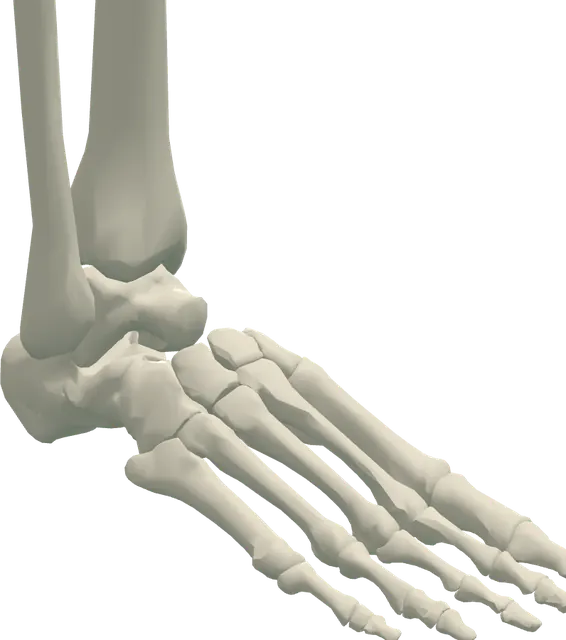
Does this sound like you?
Most people have several of these, not all of them.
- A visible bony prominence at the base of the big toe
- Pain and rubbing in enclosed shoes
- Redness or hardened skin over the prominence
- The big toe drifting towards the second toe
- Aching in the forefoot after time on your feet
Why it happens
- Family history, which is the strongest factor
- Footwear that is narrow or has a raised heel, over many years
- Foot mechanics that load the inside of the forefoot
- Inflammatory arthritis
- More common in women, and increasing with age
What we would do about it
Roughly in this order — each step waits for the one before it.
- Footwear advice, which is the highest-value change for most people
- Toe and foot strengthening, which influences progression
- Joint mobilisation to maintain movement at the big toe
- Padding, spacers or offloading to reduce the pressure points
- Gait and load review
- Referral for a surgical opinion where pain persists despite all of it
See a doctor first if
- Your pain followed a significant injury
- It is getting worse rather than settling
- It comes with numbness, weakness or unexplained weight loss
This page is general information, not a diagnosis. Symptoms overlap between conditions, so the right treatment depends on an assessment.
Most bunions are managed well without surgery
The shape will not reverse, but the pain usually responds to footwear, offloading and foot strengthening. Worth trying properly before considering an operation. Ask a question first, or call us on 0403 907 587.
Trouble with the form? Open booking in a new tab or call 0403 907 587.
Other foot conditions we treat
Related reading: burning pain between the toes, heel pain and the equivalent joint problem in the hand.
General information only, not advice about your own problem — nothing here replaces an assessment. Source: Hallux Valgus on Physiopedia.