- Home
- Conditions
- Jaw
- TMJ Dysfunction
TMJ Dysfunction
The temporomandibular joint sits just in front of the ear and is used constantly — talking, eating, swallowing. When it and its muscles become painful, it affects nearly everything. Many people do not realise physiotherapy treats it at all, and are surprised how much can be done. The neck is almost always involved, which is why treating the jaw alone often disappoints.
5.0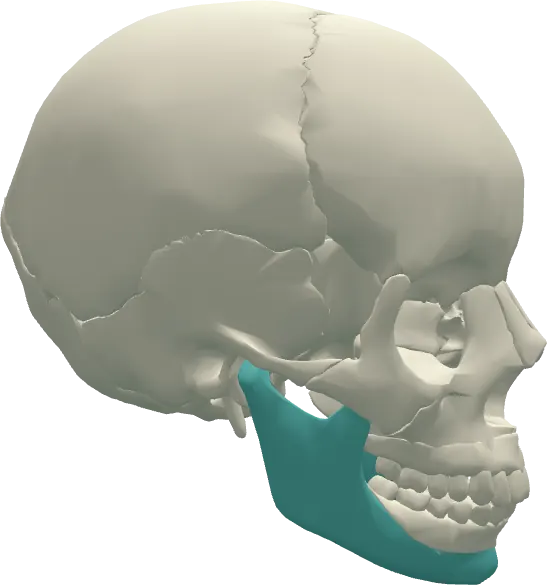
Does this sound like you?
Most people have several of these, not all of them.
- Pain in front of the ear, in the cheek or into the temple
- Difficulty opening wide, or the jaw deviating to one side as it opens
- Aching after eating or a long conversation
- Headaches, often at the temples
- Ear symptoms — blocked sensation, ringing — with no ear problem found
Why it happens
- Clenching or grinding, frequently stress-related
- Neck dysfunction, which refers into the jaw and is often the missing piece
- Prolonged dental work holding the mouth open
- A direct blow to the jaw, or whiplash
- Habits like nail biting, chewing gum or resting on one hand
What we would do about it
Roughly in this order — each step waits for the one before it.
- Assessing and treating the neck alongside the jaw
- Manual therapy to the jaw joint and the muscles around it
- Dry needling to the chewing muscles, which is often markedly effective
- Jaw control and opening retraining
- Habit awareness and stress-related clenching strategies
- Coordination with your dentist where a splint is involved
See a doctor first if
- Your pain followed a significant injury
- It is getting worse rather than settling
- It comes with numbness, weakness or unexplained weight loss
This page is general information, not a diagnosis. Symptoms overlap between conditions, so the right treatment depends on an assessment.
Most people do not know physio treats jaws
Jaw pain is often bounced between dentists and GPs for months. It responds well to hands-on treatment, particularly when the neck is treated with it. Ask a question first, or call us on 0403 907 587.
Trouble with the form? Open booking in a new tab or call 0403 907 587.
Other jaw conditions we treat
Related reading: clicking and locking of the jaw, teeth grinding and headaches coming from the neck.
General information only, not advice about your own problem — nothing here replaces an assessment. Source: Temporomandibular Disorders on Physiopedia.