- Home
- Conditions
- Shoulder
- AC Joint Injury
AC Joint Injury
The acromioclavicular joint is the small joint at the very top of the shoulder where the collarbone meets the shoulder blade. It is injured by falling directly onto the point of the shoulder, and it is also a common site of wear in people who have done years of overhead or heavy work. Pain is very localised — most people put one finger straight on it.
5.0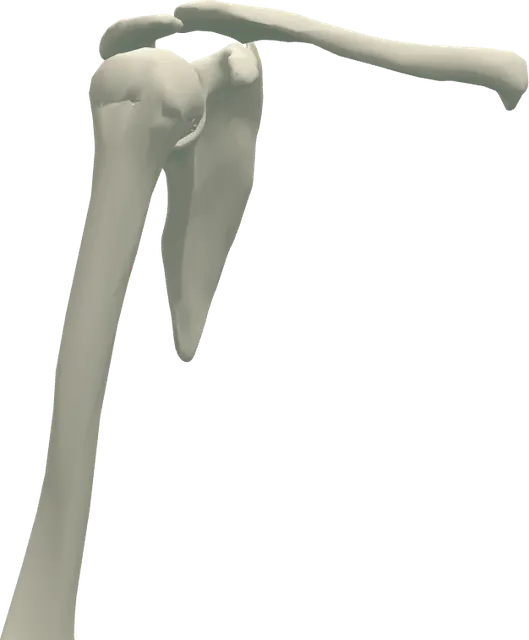
Does this sound like you?
Most people have several of these, not all of them.
- Pain precisely on top of the shoulder, easily pointed to
- A visible step or lump in more significant separations
- Pain reaching the arm across the body
- Discomfort lying on that side and carrying heavy bags
- Pain at the very end of lifting the arm fully overhead
Why it happens
- A fall directly onto the point of the shoulder
- A heavy tackle or a bike or motorbike accident
- Years of heavy overhead lifting or bench pressing
- Age-related wear in the joint itself
What we would do about it
Roughly in this order — each step waits for the one before it.
- Grading the injury, which determines whether it is managed conservatively
- A sling for comfort in the early stage of higher grades
- Range of movement restored early, avoiding the provocative across-body position
- Progressive strengthening through the cuff and shoulder blade
- Taping for support during the return to sport
- Referral for a surgical opinion in the higher grades or where a step remains symptomatic
See a doctor first if
- Your pain followed a significant injury
- It is getting worse rather than settling
- It comes with numbness, weakness or unexplained weight loss
This page is general information, not a diagnosis. Symptoms overlap between conditions, so the right treatment depends on an assessment.
Grading the injury changes the plan
Most AC joint injuries do well without surgery, but a few do not, and telling them apart early matters. We can assess it and tell you which you have. Ask a question first, or call us on 0403 907 587.
Trouble with the form? Open booking in a new tab or call 0403 907 587.
Other shoulder conditions we treat
Related reading: a shoulder that feels like it will give way and cuff-related shoulder pain.
General information only, not advice about your own problem — nothing here replaces an assessment. Source: Acromioclavicular Joint Disorders on Physiopedia.