- Home
- Conditions
- Hip
- Hip Osteoarthritis
Hip Osteoarthritis
Hip osteoarthritis is wear in the joint surface, typically felt in the groin rather than the outside of the hip. Exercise is the first-line treatment in every major guideline, and it works — strengthening reliably improves pain and function even where the joint changes are advanced. For those who do go on to a replacement, arriving stronger produces a better result.
5.0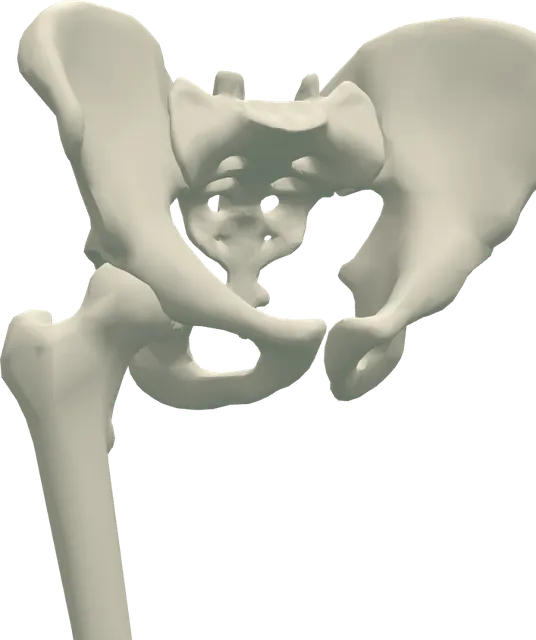
Does this sound like you?
Most people have several of these, not all of them.
- Pain in the groin, sometimes referring to the knee
- Stiffness first thing in the morning, easing within half an hour
- Difficulty putting on socks and shoes, or getting out of a low chair
- Reduced walking distance developing over months or years
- A limp, or reluctance to take full weight on that side
Why it happens
- Age-related change in the joint surface
- A previous hip injury, fracture or childhood hip condition
- Years of heavy loading through work or sport
- Family history, which is a real factor
- Higher body weight increasing the load through the joint
What we would do about it
Roughly in this order — each step waits for the one before it.
- Progressive strengthening, the first-line treatment in every guideline
- Range of movement work to maintain what is there
- Manual therapy for pain relief alongside the exercise
- Walking aids and pacing advice where distance is limited
- Weight and load management where relevant, discussed practically
- Pre-operative strengthening if a replacement is planned, which improves outcomes
See a doctor first if
- Your pain followed a significant injury
- It is getting worse rather than settling
- It comes with numbness, weakness or unexplained weight loss
This page is general information, not a diagnosis. Symptoms overlap between conditions, so the right treatment depends on an assessment.
Exercise is the first-line treatment, not the last resort
Strengthening reliably improves hip arthritis pain, and if you do end up needing a replacement, going in stronger means coming out better. Either way it is worth starting. Ask a question first, or call us on 0403 907 587.
Trouble with the form? Open booking in a new tab or call 0403 907 587.
Other hip conditions we treat
Related reading: rehabilitation after a replacement, pain on the outside of the hip and the same at the knee.
General information only, not advice about your own problem — nothing here replaces an assessment. Source: Hip Osteoarthritis on Physiopedia.