- Home
- Conditions
- Jaw
- Jaw Clicking and Locking
Jaw Clicking and Locking
Clicking in the jaw usually means the small disc inside the joint is moving out of position and snapping back as you open. A click on its own, with no pain and no restriction, is common and often needs nothing. It matters when the jaw starts catching or locking — either stuck closed and unable to open, or stuck open, which is genuinely alarming and needs prompt attention.
5.0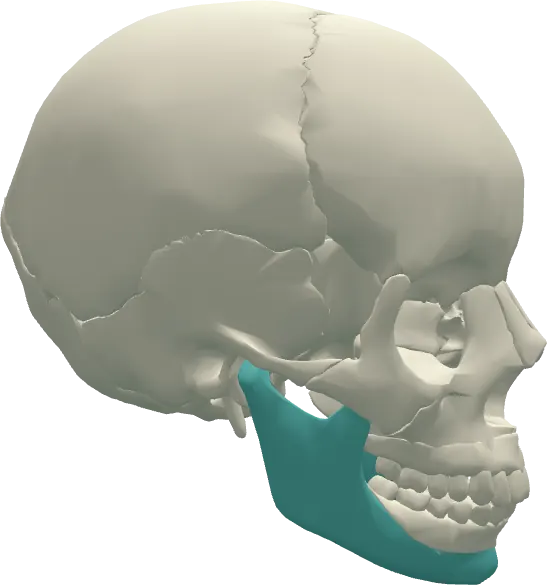
Does this sound like you?
Most people have several of these, not all of them.
- A click or pop on opening, closing, or both
- The jaw deviating to one side as it opens
- Catching that interrupts opening midway
- Locking closed, with opening limited to a couple of centimetres
- Locking open, which needs same-day attention
Why it happens
- The joint disc slipping forward and reducing as the jaw opens
- Clenching and grinding loading the joint over time
- Previous jaw trauma or whiplash
- Ligament laxity, in some people
- Habitually chewing on one side
What we would do about it
Roughly in this order — each step waits for the one before it.
- Establishing whether the click needs treating at all — many do not
- Manual therapy and joint mobilisation to improve disc mechanics
- Controlled opening exercises to retrain the movement path
- Treating the neck and the chewing muscles alongside
- Habit and load advice, including chewing side and food consistency
- Referral to a dentist or specialist for persistent locking
See a doctor first if
- Your pain followed a significant injury
- It is getting worse rather than settling
- It comes with numbness, weakness or unexplained weight loss
This page is general information, not a diagnosis. Symptoms overlap between conditions, so the right treatment depends on an assessment.
A painless click may need nothing at all
Clicking alone is common and often harmless. Catching or locking is different. An assessment tells you which side of that line you are on. Ask a question first, or call us on 0403 907 587.
Trouble with the form? Open booking in a new tab or call 0403 907 587.
Other jaw conditions we treat
Related reading: general jaw pain and restriction, grinding that loads the joint and jaw problems following an accident.
General information only, not advice about your own problem — nothing here replaces an assessment. Source: Temporomandibular Disorders on Physiopedia.