- Home
- Conditions
- Knee
- Meniscus Injury
Meniscus Injury
The menisci are two wedges of cartilage that cushion the knee. They tear either through a twisting injury in younger people, or gradually with age — and degenerative tears are extremely common in people with no symptoms whatsoever. The evidence is now clear that for most degenerative tears, exercise performs as well as arthroscopic surgery, which is a significant change from what was done for years.
5.0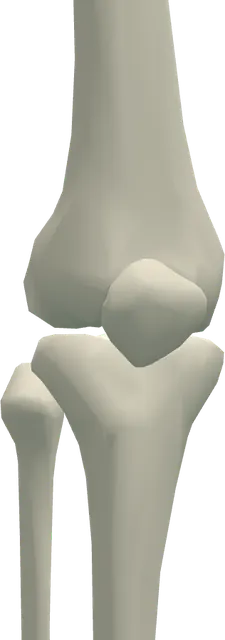
Does this sound like you?
Most people have several of these, not all of them.
- Pain along the joint line, on the inside or outside of the knee
- Catching, clicking or a sense of something moving in the joint
- Locking, where the knee will not fully straighten
- Swelling that develops over a day rather than immediately
- Pain twisting, squatting or getting out of a car
Why it happens
- A twisting movement with the foot planted, often with the knee bent
- Squatting deeply under load
- Age-related degeneration, where a tear can occur with no particular incident
- Occurring alongside an ACL injury
What we would do about it
Roughly in this order — each step waits for the one before it.
- Restoring range and settling swelling first
- Progressive strengthening, which for degenerative tears matches surgery in the evidence
- Load management around the movements that catch
- Balance and control work for the return to sport
- Manual therapy alongside the exercise program
- Referral for a surgical opinion where the knee is truly locking
See a doctor first if
- Your pain followed a significant injury
- It is getting worse rather than settling
- It comes with numbness, weakness or unexplained weight loss
This page is general information, not a diagnosis. Symptoms overlap between conditions, so the right treatment depends on an assessment.
A tear on a scan does not automatically mean surgery
For degenerative tears the evidence now favours exercise first. A truly locking knee is different. We can tell you which you have. Ask a question first, or call us on 0403 907 587.
Trouble with the form? Open booking in a new tab or call 0403 907 587.
Related reading: ligament injury it often accompanies, age-related knee changes and front-of-knee pain.
General information only, not advice about your own problem — nothing here replaces an assessment. Source: Meniscal Lesions on Physiopedia.