1. Home
  2. Services
  3. Runners

Physiotherapy for Runners in Adelaide

Runners do not want to be told to stop running. They want to know what is wrong, how to fix it, and how much they can keep doing while it heals. That is the whole approach here. Most running injuries are overuse problems with a cause that can be found, and most of them can be managed with less running rather than no running.

5.0 from 62 Google reviews
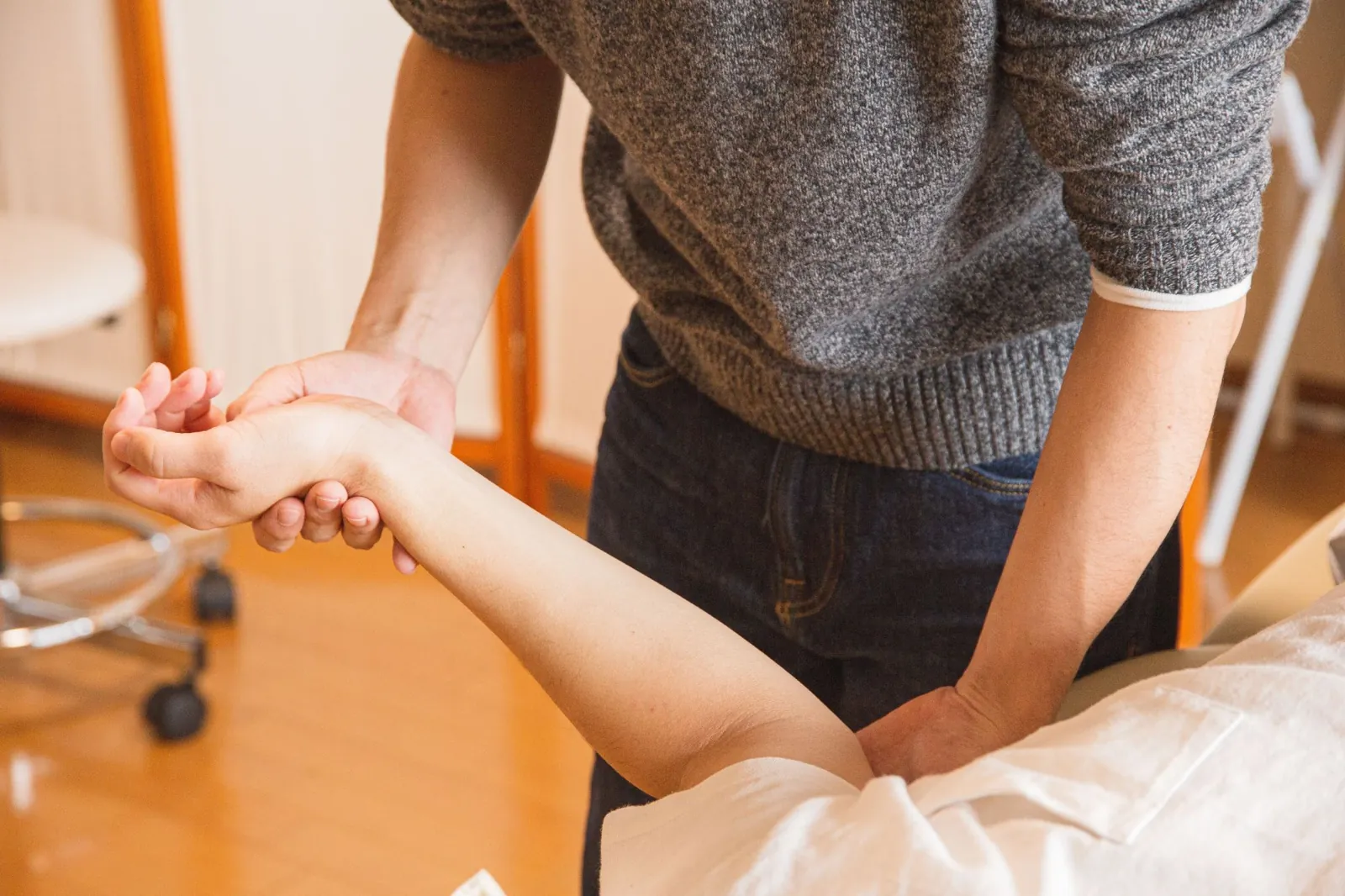
Runners at UpPlus Physiotherapy

Physiotherapy for runners in Adelaide: runner's knee, shin splints, Achilles and heel pain, with a plan that keeps you running. UpPlus, Seaton.

We are a few minutes from the coastal path, the West Lakes loop and the River Torrens linear park, which between them produce a good share of western Adelaide's running injuries.

The injuries runners get

  • Runner's knee (patellofemoral pain): pain around or behind the kneecap, worse on hills and stairs.
  • Shin splints and, when ignored, stress reactions of the shin bone.
  • Achilles tendinopathy: the stiff, sore Achilles first thing in the morning.
  • Plantar heel pain (plantar fasciitis): the first steps out of bed.
  • ITB pain on the outside of the knee, and hip and gluteal tendon pain on the outside of the hip.
  • Calf and hamstring strains, the sudden ones.

Nearly all of these have the same root: load went up faster than the tissue could adapt. More kilometres, more hills, new shoes, a return after a break. Finding which one it was is most of the fix.


What the assessment covers

Your training history in detail (what changed, and when), your running on the spot and on the path outside if needed, strength and control of the hip, knee and calf, and the painful tissue itself. We are not looking for the perfect running style; nobody has it. We are looking for the one thing that overloaded the sore spot.

Treatment that keeps you running

Hands-on treatment settles the sore tissue. A strength program fixes the weakness that let it get overloaded: calves for the Achilles and shins, hips for the knee, the lot for the hamstring. And a running plan sets how much you can keep doing now and how it builds back, in writing, week by week. Most runners keep running at a reduced level throughout. For stubborn tendon pain that has not responded to loading, we have shockwave therapy at Seaton.

Complete rest is rarely the answer. It settles the pain and fixes nothing, so the injury returns the week you start again.

Signs it is time to come in

  • Pain that is there at the start of a run, not just afterwards.
  • Pain in one specific spot on a bone that is getting worse run by run.
  • Achilles or heel stiffness every morning for more than a couple of weeks.
  • You have cut your distance to manage it and it is still there.
  • A sudden calf or hamstring pull that stopped a run.

Runners who come in at two weeks are usually running normally at six. Runners who come in at three months are not.

Coming back from injury, or starting out

If you are returning after months off, or starting running for the first time, the single most useful thing we do is set a sensible build. The ten per cent rule is a rough guide, not a law, and we tailor it to your history, your weight, your age and what hurt last time. A short assessment before a program starts is far cheaper than treating the injury four weeks in.

Anand Vaghasiya Nensi Vaghasiya Saloni Shah

Meet the team you will see

Every appointment is with one of our own AHPRA-registered physiotherapists. See their background, the conditions each of them focuses on, and how they approach your assessment and treatment.

Meet the team
Before you book

Common questions

Should I stop running if I have runner's knee?

Usually not completely. Runner's knee responds to reducing the load that is aggravating it, strengthening the hip and thigh, and sometimes a change to cadence or footwear. We set a level of running you can keep doing while it settles, then build it back.

How do I know if my shin pain is shin splints or a stress fracture?

Shin splints is a diffuse ache along the inside of the shin that eases as you warm up. A stress reaction is a focal, tender spot on the bone that hurts more as you run and can hurt walking. The second needs rest from running and sometimes a scan. If your shin pain is in one spot and getting worse, get it assessed before your next run.

Why is my Achilles stiff in the morning?

Morning stiffness that eases with movement is the classic sign of Achilles tendinopathy. It responds well to a progressive calf-loading program and poorly to rest. Started early it settles in weeks; left for months it takes much longer.

Do you do running assessments?

Yes, as part of a physiotherapy appointment. We look at your training history, your strength and control, and your running, and tell you what is overloading the sore spot. We do not sell a running style; we find the one thing that needs to change.

Can physio help with plantar fasciitis in runners?

Yes. Plantar heel pain in runners is usually a loading problem of the plantar fascia and calf. A specific loading program, footwear advice and hands-on treatment settle most cases; shockwave therapy is available for the ones that have not responded after several months.

Book an appointment

Ready when you are — no referral needed, and it takes about a minute.

Loading the booking form…

Trouble with the form? Open booking in a new tab or call 0403 907 587.

Our partners

See all partners

Health funds we accept Claim on the spot with HICAPS

All health funds